

What you'll learn
Indigenous perspective and “Two-Eyed Seeing”
This course centers Indigenous knowledges and processes as a way of experiencing a non-Western culture that has inherent strength in addressing the climate crisis. This will be through a Two-Eyed Seeing journey. (Mi’kmaw Elder Marshall created.). Process will involve Dr. Roessel and Dr. Neidhardt engaging participants in an Immersive Indigenous Circle Way process.
Systems Level Thinking
We cover concepts at the macro level, focusing on a complex- systems understandings including “Futures Thinking”; the mezzo level, where we consider sociocultural factors; and the micro level, where we work with the clinician’s emotional reactions to the climate emergency as well as ways to address clinical issues in the consulting room and beyond.
Culturally Aware Therapy for the Polycrisis
This course will focus on the emotional challenges of being embedded in the same polycrisis as our clients, including ways to process our own difficult eco-emotions, clinical attitudes to cultivate, and important countertransference and ethical considerations that might emerge. We will also touch on important challenges that can emerge in climate-informed clinical work.
Meet the Faculty
Learn more about our esteemed faculty below.
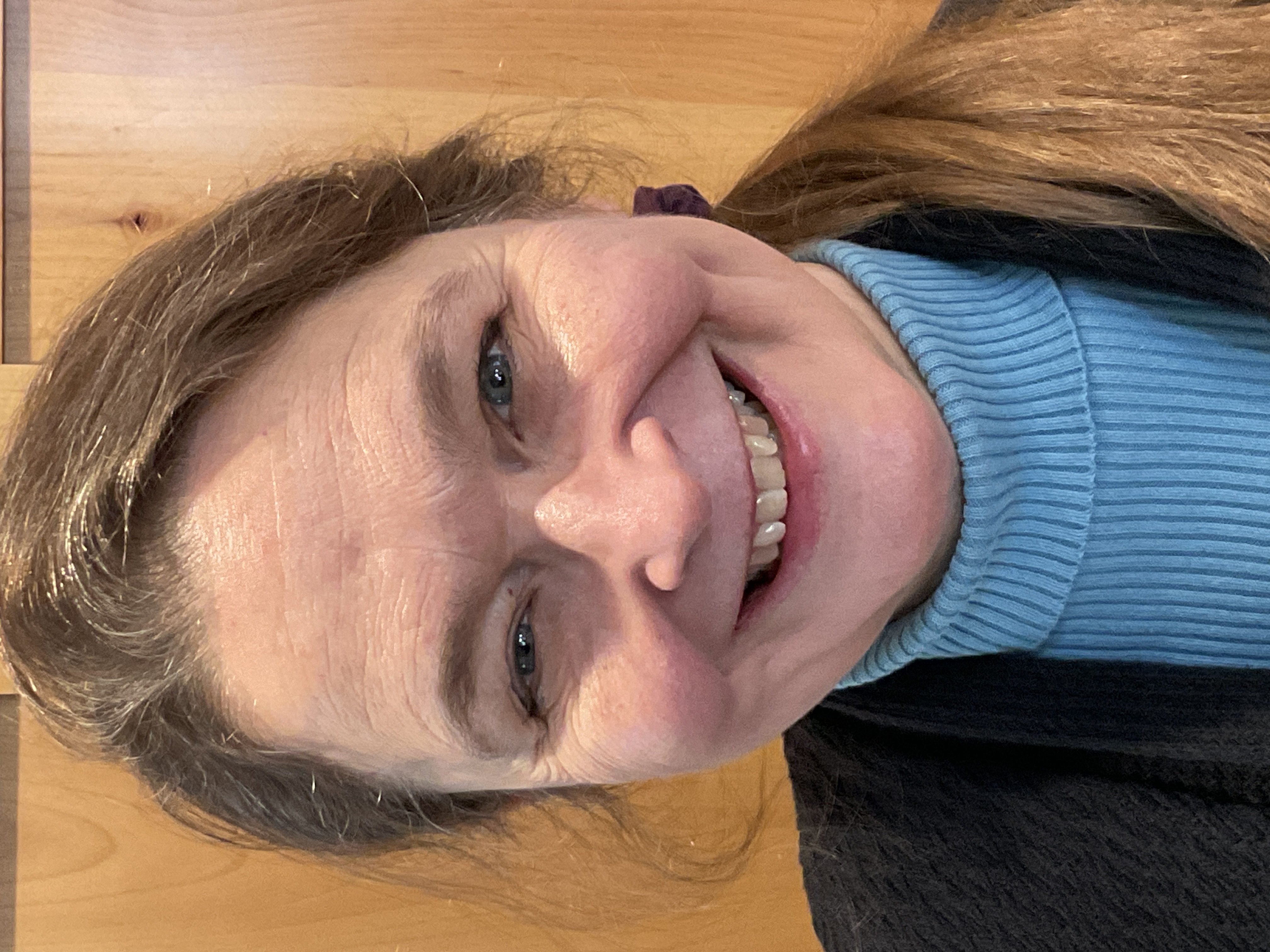
Janet Lewis, M.D.
Janet Lewis, M.D. is a private practice psychiatrist in the Finger Lakes region of New York State, a founding member of the Climate Psychiatry Alliance, and co-chair of the Group for the Advancement of Psychiatry’s Climate Committee. Her presentations and papers on climate mental health have been given to professional, community and religious groups, and appeared in journals including Psychodynamic Psychiatry, and the Journal of Nervous and Mental Disease. She teaches a climate seminar series for psychiatric residents at the University of Rochester and she established a climate change study /support /consultation therapists’ group in Ithaca NY that has been continuously meeting since 2015.
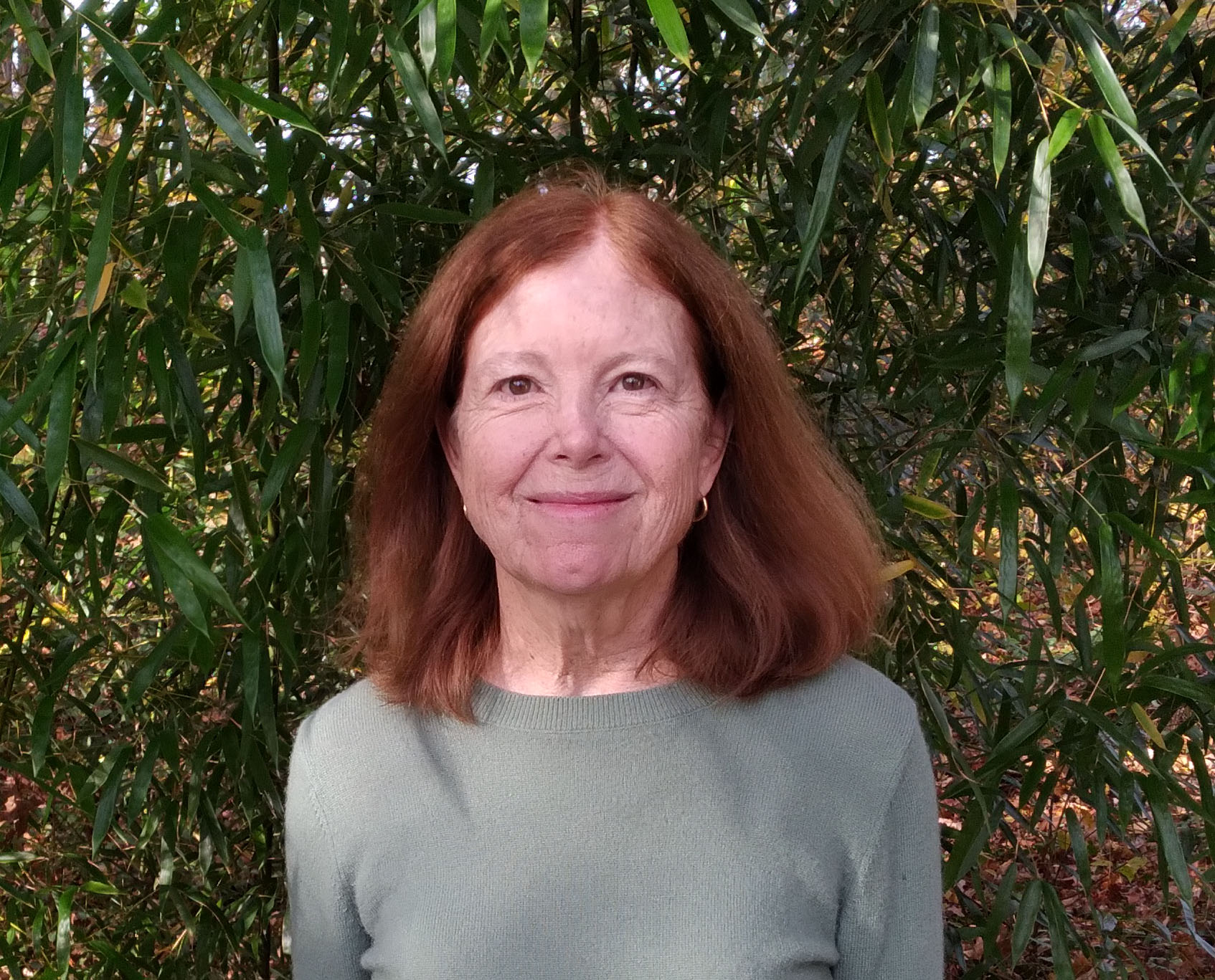
Elizabeth Allured, Psy.D
Elizabeth Allured, Psy.D is a psychologist/psychoanalyst who co-founded the Climate Psychology Alliance – North America. She has been writing and publishing papers on the intersection of mental health and the environment since 2007, and presenting nationally, internationally, and locally. She has held workshops for clinicians and university students in clinical aspects of climate psychology, and the development of emotional resilience. She co-authored the chapter, “Therapists’ Perspectives: Psychotherapeutic Techniques with Applicability to Climate Distress,” in Climate Change and Youth Mental Health with Barbara Easterlin. She is in practice on Long Island, N.Y. She teaches a seminar in the Yale Psychology Fellows Program.
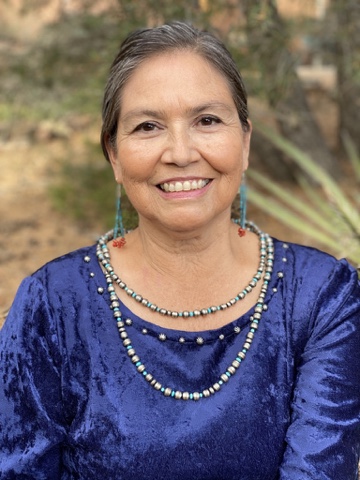
Mary Hasbah Roessel, M.D. , DLFAPA
Mary Hasbah Roessel, M.D. , DLFAPA, is a Navajo psychiatrist practicing in Santa Fe, New Mexico. She grew up on the Navajo nation with her grandfather, a revered medicine man. She worked with Navajo medicine people to work on ways to integrate Navajo cultural concepts for behavioral health staff. She has given presentations on Indigenous knowledge and climate change and wrote a chapter in the book: Groundswell Indigenous knowledge and a call to action for climate change. Her chapter: “Essential Elements of Change”, focuses on living within two worlds—Indigenous and Western cultures in this climate crisis.
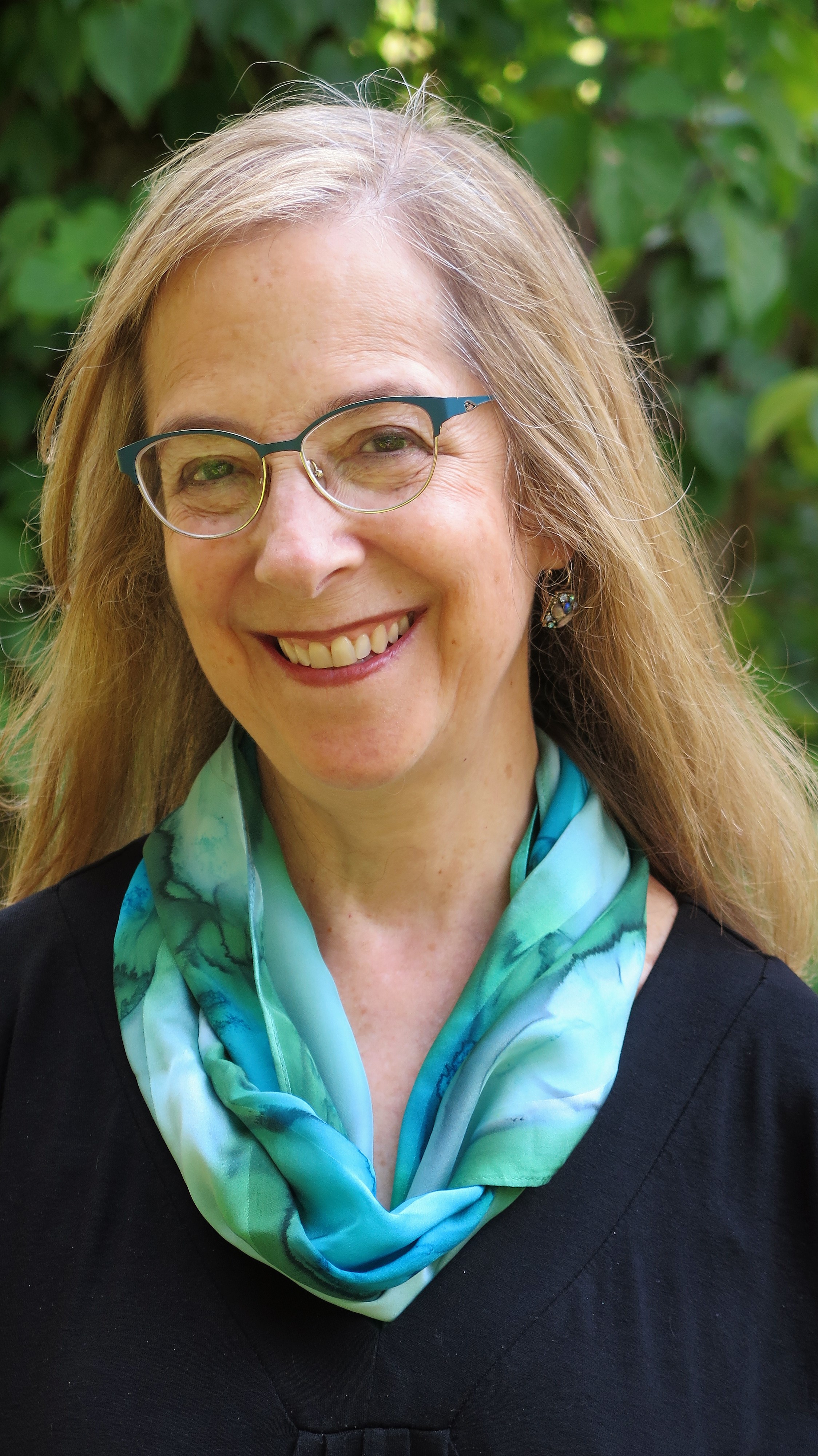
Wendy Greenspun, Ph.D.
Wendy Greenspun, Ph.D. is a psychologist/psychoanalyst and a former member of the Executive Committee of the Climate Psychology Alliance- North America, where she currently co-chairs the clinical support subcommittee. She is on faculty at the Manhattan Institute for Psychoanalysis, and the Adelphi University Postgraduate Program in Marriage and Couples Therapy. She has published and presented papers, workshops, and courses for clinicians on working with climate distress. She provides workshops on building emotional resilience for climate activists, clergy, high school, and university students. She facilitates climate emotion groups (climate cafes) and trains facilitators in running cafes. She is in private practice in New York City. https://www.wendygreenspun.com/
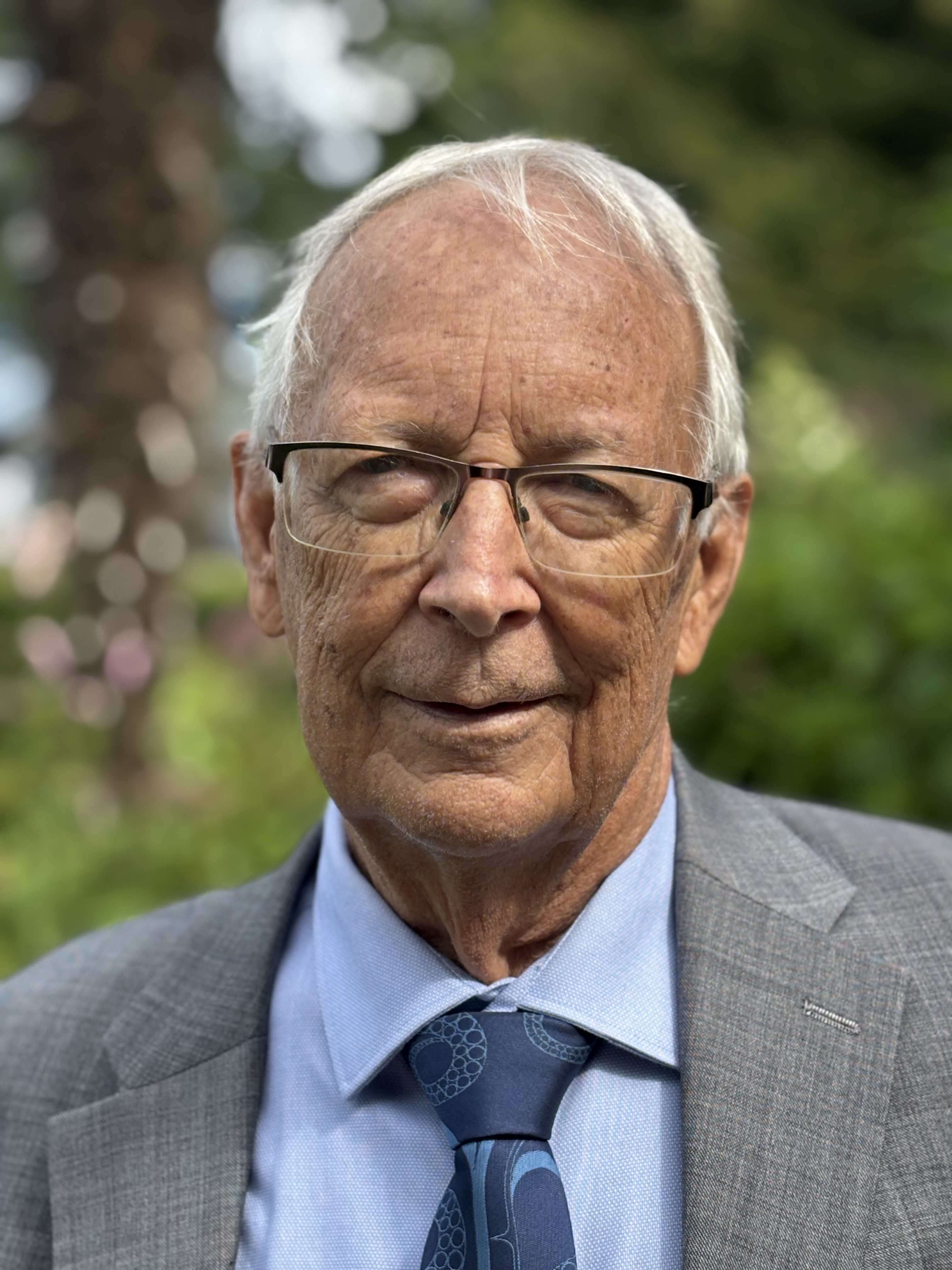
Edward Joseph Neidhardt, M.D., LFAPA,
Edward Joseph Neidhardt, M.D., LFAPA, is a psychiatrist in private practice in Santa Fe, N.M. He worked with Navajo Medicine Men and together with his wife, a Navajo Psychiatrist, developed ways to integrate Western Medicine and Navajo Healing. He wrote and co-edited “Groundswell: Indigenous Knowledge and a Call to Action for Climate Change” with his daughter, Nicole Neidhardt. He presented at COP26. His recent publications include “Indigenous Knowledge Is Crucial to Confronting Climate Change and Supports Psychiatric Practice” Psychiatric News, February 2022. He is a passionate ally for Indigenous people in addressing mental health and climate change.

Your Fellow Classmates
This course emphasizes collaborative learning through Reflective Listening Circles and group case conceptualization. Faculty will skillfully support group members in learning alongside one another.
What are people saying?
Hear from two faculty in the video below and testimonials from previous students.
I LOVED the experience of listening to the case presentation and sharing feedback from the perspective of the earth. It was so valuable and delightful to solicit the "earth's" voice! It allowed me to see examples of parallel process (between client and earth, and therapist and earth), helped me to see how we therapists are conditioned to center our human experience over that of the earth, made me want to learn more about attachment theory as it relates to climate-aware therapy, made me want to get my colleagues up to speed (to have more climate-aware therapists on our staff -- would enhance our case conference discussions at work), and made me want to work more on my own relationship to the earth (leaning more deliberately into a gratitude practice and in further developing a relationship of reciprocity).
Current Climate-Aware Practitioner
I found the case presentation incredibly useful (I was able to share a case). From preparing the presentation with a view to class concepts, to the format of the feedback (multiple perspectives), to the insights offered by my fellow students and teacher, it was an incredibly valuable perspective.
Current Climate Aware Practitioner
"This course significantly deepened my literacy around the climate crisis, giving me language and conceptual grounding to reckon with the overwhelming reality of climate change. It would be valuable for anyone interested in how we psychologically relate to present-day disasters—and how psychologists and therapists can support the kind of collective, future-oriented thinking that this moment requires”
Postdoctoral Fellow, UC Santa Barbara Counseling and Psychological Services
“The Climate-Aware Therapy course gave me a format to begin to consider how my clinical work could include my clients’ climate-related emotions and experiences - as well as how I could think about and relate to my own climate concerns. The mix of instructors brought a variety of lenses to clinical and climate questions - and helped me understand new ways to integrate traditional psychotherapy practices with healing work from other traditions and perspectives. Overall, the class was a great experience educationally and a wonderful opportunity to connect with other clinicians from across the continent who also hold the need to include climate care within their mental health care practice.”
Psychotherapist in Berkeley, CA and CPA-NA member
I found the case presentation incredibly useful (I was able to share a case). From preparing the presentation with a view to class concepts, to the format of the feedback (multiple perspectives), to the insights offered by my fellow students and teacher, it was an incredibly valuable perspective.
Current Climate Aware Practitioner
“The Climate-Aware Therapy course gave me a format to begin to consider how my clinical work could include my clients’ climate-related emotions and experiences - as well as how I could think about and relate to my own climate concerns. The mix of instructors brought a variety of lenses to clinical and climate questions - and helped me understand new ways to integrate traditional psychotherapy practices with healing work from other traditions and perspectives. Overall, the class was a great experience educationally and a wonderful opportunity to connect with other clinicians from across the continent who also hold the need to include climate care within their mental health care practice.”
Psychotherapist in Berkeley, CA and CPA-NA member
I LOVED the experience of listening to the case presentation and sharing feedback from the perspective of the earth. It was so valuable and delightful to solicit the "earth's" voice! It allowed me to see examples of parallel process (between client and earth, and therapist and earth), helped me to see how we therapists are conditioned to center our human experience over that of the earth, made me want to learn more about attachment theory as it relates to climate-aware therapy, made me want to get my colleagues up to speed (to have more climate-aware therapists on our staff -- would enhance our case conference discussions at work), and made me want to work more on my own relationship to the earth (leaning more deliberately into a gratitude practice and in further developing a relationship of reciprocity).
Current Climate-Aware Practitioner
"This course significantly deepened my literacy around the climate crisis, giving me language and conceptual grounding to reckon with the overwhelming reality of climate change. It would be valuable for anyone interested in how we psychologically relate to present-day disasters—and how psychologists and therapists can support the kind of collective, future-oriented thinking that this moment requires”
Postdoctoral Fellow, UC Santa Barbara Counseling and Psychological Services
Frequently Asked Questions

Here are some frequently asked questions about this course:
What is climate aware therapy?
Climate-aware therapy recognizes the climate crisis as a significant mental health threat, helping individuals process emotions like eco-anxiety, grief, and despair by validating their feelings and building resilience. It integrates traditional therapy techniques with an understanding of ecological interconnectedness, empowering people to cope with environmental distress, find purpose, and take constructive action, rather than pathologizing their valid concerns. It also provides support for individuals who have been threatened by or who have endured human driven climate disasters such as wildfire, hurricanes, sea level rise, and flooding, as well as ongoing environmental harms and environmental inequities.
Who is this class for?
This course is geared toward individuals offering counseling or psychotherapy. It is taught at a post-graduate level, though licensure is not required.
How would this class benefit me and my professional development?
The Immersive Course in Climate-Aware Therapy supports psychotherapists in developing both conceptual understanding and applied clinical skills in this growing area of practice. In addition, the Immersive Course in Climate-Aware Therapy, Level 1 centers Indigenous knowledge and processes as essential ways of understanding and responding to the climate crisis. You can include a certificate of completion as a professional credential on your CV/Resume, website and your registry on the Climate-Aware Practitioner Directory of CPA-NA and Climate Psychiatry Alliance. The certificate of completion for this Immersive Climate-Aware Therapy, Level one class, indicates that attendees: - Possess foundational knowledge of the mental health impacts of climate change - Understand the systemic and historical injustices underlying the current environmental crisis - Have explored and reflected on their own climate-related emotions - Have been exposed to clinical skills to support individuals and groups in understanding and working with climate-related feelings - Have explored Systems thinking to understand how psychological, social, cultural, and ecological systems interact - Have explored the philosophy of Two-Eyed Seeing, or Etuaptmumk in the Mi'kmaw language. Two-Eyed Seeing is a guiding principle introduced by Mi'kmaw Elder Albert Marshall (2004) that promotes learning to see the world from one eye with the strengths of Indigenous knowledge, and from the other eye with the strengths of Western knowledge, using both together for the benefit of all.
If I've taken the CAT Intro course before, am I eligible for a certificate of completion without taking this updated course?
Yes, please contact [email protected]
Does a certificate of completion for the course Immersive Climate Aware Psychotherapy, Level 1 mean I’m a certified climate-aware therapist?
No. This certificate does not mean you are a certified or licensed “climate-aware therapist.”The certificate indicates that you have completed specialized training in climate psychology and have gained knowledge and skills related to climate-related emotional responses, resilience, and behavior change. It is an educational and professional development credential, not a clinical license or therapy certification. If you are already a licensed mental health professional, the certificate can enhance and inform your existing practice, helping you work more competently and ethically with climate-related distress. While the certificate signals training and competency in climate psychology concepts, not clinical certification. It strengthens professional practice within your current scope of work rather than creating a new licensed role.
Do I qualify for a scholarship?
Three reduced fee (50% of full nonmember US rate) slots are available on a first come, first serve basis. These spaces are for those of reduced means and particularly for those from frontline and marginalized communities . Additionally, we have two full scholarship spots available for folks who identify as BIPOC and/or as a member of another marginalized community. The first 8 applications received by the deadline of February 22, 2026 will be considered. Applicants will be notified of the decision by February 24th. To apply, please submit the following application materials to Janet Lewis ([email protected]): - An essay of approximately 500 words on how you can use the class to benefit your work and/or bring information back to your community, including patients, colleagues, groups, or in other professional activities. - Please let us know if you identify as Black, Indigenous, and/or People of Color (BIPOC) or as being in another marginalized group - Please provide an up-to-date resume or CV - Please let us know if you will be able to attend if you do not receive a scholarship.
Do I need to attend all the sessions to get the CE's? Why are there only 5.5 CEs for the course? What about CME's? What are the course learning objectives?
To receive 5 CE credits, you much watch all 4 asynchronous recorded classes and also attend the entire live session on Sunday, April 12th, then answer the required post-class test questions in the time frame required by the CE provider, ce-classes.com CEs are only available for for classes that include significant and specific content, rather than for the more reflective, process-oriented live sessions we are including as an important part of this course. So the CE's are only given for the four 1-hour recorded content classes and 1.5 hours for the live class with Mary Roessel, who will be providing significant content along with an Indigenous practice. We consider this course valuable for psychiatrists, but it does not provide CMEs. 1. Participants will be able to summarize several climate science realities and concepts, including mitigation, adaptation, complexity, and emergence in the climate and ecological crisis. 2. Participants will be able to describe two aspects of a “culture of care.” 3. Participants will be able to identify a social bias that impedes action on the climate crisis. 4. Participants will identify two ways that recognizing their own emotional reactions to the climate crisis can be helpful as part of providing climate-aware therapy. 5. Participants will be able to categorize three types of climate-related traumatic stress. 6. Participants will identify Indigenous ways of practicing reciprocity and will be able to summarize how that can facilitate mitigation and adaptation to climate change. 7. Participants will be able to describe therapeutic attitudes found beneficial in working with climate distress. 8. Participants will be able to describe 5 modes of “futures thinking.”
What do I need to do to get the certificate of completion for the course?
To receive a certificate of completion, all videos must be watched, and all live sessions must be fully attended. The course is designed to be experienced as a whole, so please don't register for it if you don't think you can attend all the sessions. However, if a live reflective learning session is missed for unforeseen circumstances, a student may still qualify for the certificate by writing and submitting a 500-word reflective essay related to the videos and readings for that session, demonstrating your understanding of the video and relevant readings, along with your personal thoughts, feelings and questions that emerged.
Can my colleague watch the videos/attend the reflective listening circle along with me?
No, only those registered for the course may attend.
Can I make up a live session the next time this course is offered if I need to miss a group this time/get sick/etc.? Will the live sessions be recorded?
No. The live sessions are focused on reflection, sharing and discussion, so we do not record them to ensure openness and privacy for participants. No, the live classes will not be recorded to maintain privacy of the group.
What happens if I need to join a live session late or leave early?
Since our live sessions involve discussion groups with significant sharing and processing, being late or leaving early will be disruptive to the group process and we ask that you be on time. Certificates of completion will only be granted if all sessions are attended in full. Attendance will be taken and for the purposes of the certificate of completion, you will not be considered to have attended if you miss more than 10 minutes of a given session.
Can I switch reflective learning circles to be with a colleague who will also be a registrant?
We find that cross-pollination from therapists of varied disciplines, regions, and work environments is an enriching benefit of this course. However, if you would like to be with a particular colleague we will try to accommodate the request if you tell us two weeks before the start of the course. If we receive numerous requests, it may not be possible to accommodate your request.
If I find I have a dual relationship with another registrant in the course, can I switch reflective learning circles?
In the unusual event that you have a dual relationship with a fellow student and would like to switch to the other reflective learning circle group, let us know in the initial live session and we will do our best to accommodate you prior to going into the learning circle breakout room.
Do I need to take this course to take future CPA-NA certification courses?
While this class is not a prerequisite, two additional multi-hour certification modules in intermediate and advanced topics are being planned for later Fall, 2026 and early 2027. This course or our past introductory courses in Climate-Aware Therapy will provide a foundation for them. We are also considering adding a tailored course for allied professionals (i.e. educators, climate coaches, sustainability workers whose work might require a mental health lens, etc.)
How different is the material presented from the previous Introduction to Climate-Aware Therapy courses taught by this faculty and can I take this course if I took the previous Climate-Aware Therapy Course?
The content of this course is updated, but basically congruent with the material in the previous Introductory Climate-Aware Therapy Course. The structure of the course has been changed to include more small group discussion as well as further integration of Indigenous material. So while we don’t recommend taking this course if you took the previous one, you are welcome to join if you understand all of this.
Do I need to be working with clients who are experiencing eco-anxiety or who have experienced climate or environmental harms to take this course?
No. Many clients do not come in with these specific concerns, but we can utilize a climate and environmental lens in our understanding of our clients and the course helps us look at the varied ways that these topics do and do not come up in our sessions.
CE coverage via CE-Classes.com
Cancellation Policy Participants may cancel their registration by submitting a written request to [email protected] Cancellation requests received at least 14 days prior to the start of the course are eligible for a full refund minus any applicable administrative fees. Cancellation requests received fewer than 14 days before the course begins may not be eligible for a refund but may be transferred to a future offering of the course at the discretion of the course provider. If the course provider cancels the event for any reason, participants will receive a full refund or the option to transfer their registration to a future offering. Grievance Policy We are committed to ensuring a high-quality educational experience. Participants who have concerns regarding course content, instructor conduct, accessibility, or other aspects of the program may submit a grievance. All grievances must be submitted in writing to [email protected] Grievances will be reviewed and acknowledged within 5–10 business days, and a response or resolution will be provided within a reasonable timeframe. Submitting a grievance will not affect a participant’s status in the course or eligibility for continuing education credit. ADA Accommodation Policy This course is offered within platforms that strive to comply with the Americans with Disabilities Act (ADA). If you require special accommodations or accessibility support to participate in this course, please contact [email protected] at least 7 days prior to the event so that appropriate arrangements can be made whenever possible. Conflict of Interest Statement The course provider is committed to transparency and adherence to ethical continuing education standards. There are no known conflicts of interest for this program. There is no commercial support for this course. Any potential conflicts of interest that may arise in the future will be disclosed to participants prior to the start of the program. Certificates are awarded online after completion of the workshop. Participants print their own certificate after registering at CE-Classes.com, entering a keycode, and completing an evaluation form. Licensed Professionals should contact their regulatory board to determine course approval. CE-Classes.com is approved by: The American Psychological Association (APA) CE-Classes.com is approved by the American Psychological Association to sponsor continuing education for psychologists. CE-Classes.com maintains responsibility for this program and its content. California Board of Behavioral Sciences. The California Board of Behavioral Sciences, BBS, recognizes relevant course work/training that has been approved by nationally recognized certifying bodies, such as APA, to satisfy renewal requirements. California Consortium of Addiction Programs and Professionals (CCAPP) Provider Number OS-12-174-0627 Expires 06-2027 California Board of Registered Nursing. CEP 15647 Expires 11/30/2026. California Association of DUI Treatment Programs (CADTP) Provider Number 231 Florida Board of Clinical Social Work, Marriage and Family Therapy and Mental Health Counseling Provider #852 BAP-Expires 3/31/2027 Florida Board of Nursing (CE Provider #: 50-4896) Expires 10/31/2026 Do not send certificates to the Florida Board of Nursing. You must keep this certificate for 4 years. Florida Certification Board Illinois - CE-Classes.com is a registered social work CE sponsor by the State of Illinois. License 159.001607 Expires 11/30/2027 Massachusetts Authorization Number: (TBD) New York Mental Health Practitioners Board CE-Classes.com, Inc. is recognized by the New York State Education Department’s State Board for Mental Health Practitioners as an approved provider of continuing education for licensed mental health counselors. #MHC-0260 New York Psychology Board CE-Classes.com, Inc. is recognized by the New York State Education Department’s State Board for Psychology as an approved provider of continuing education for licensed psychologists #PSY-0211 New York Social Work Board – CE-Classes.com is recognized by the New York State Education Department’s State Board for Social Work as an approved provider of continuing education for licensed social workers #SW-0120. Ohio Counselor, Social Worker and Marriage and Family Therapist Board - Approval from a state licensing board for counselors, social workers, marriage and family therapists is accepted by the OH CSWMFTB. Oklahoma Board of Behavioral Health Licensure (LPCs, LMFTs and LBCs) South Carolina - CE-Classes.com is approved by the S.C. Board of Examiners for Licensure of Professional Counselors, Marriage & Family Therapist, Addiction Counselors, and Psycho-Educational Specialists (#4696). Texas Board of Social Work Examiners – CE-Classes.com meets the requirements for acceptable continuing education. Effective 1/1/24, at least half of the 30 hours must be obtained from a provider listed in 801.261(f). This course meets that requirement. Texas Board of Professional Counselors – CE-Classes.com meets the requirements for acceptable continuing education. Effective 1/1/24, at least half of the 30 hours must be obtained from a provider listed in 801.261(f). This course meets that requirement. Texas Board of Marriage & Family Therapists – CE-Classes.com meets the requirements for acceptable continuing education. Effective 1/1/24, at least half of the 30 hours must be obtained from a provider listed in 801.261(f). This course meets that requirement. This course is NOT available for NBCC credit This course does not offer ASWB ACE credit to social workers. However our state board approvals may be accepted for license renewal. Check with your state board.
We look forward to learning with you.
Please direct any questions related to the course to [email protected]