About the workshop
As part of our 2026 Disaster Mental Health Mini-Series, this workshop examines misinformation and disinformation through a clinical lens. We will explore the psychological mechanisms that make these campaigns effective, including cognitive, emotional, and social factors that shape our belief formation and information processing. Participants will learn practical clinical and legal strategies for responding to misleading narratives about the climate crisis, while maintaining empathy and connection. The panel will also discuss/address how mental health professionals can support clients and communities as they navigate disaster and extreme weather events amid an increasingly confusing and polarized information environment. The panel will be moderated by Rebecca Weston, LCSW, JD, and include Gale Sinatra, Ph.D., Sander Van Der Linden, Ph.D., Eliza McDermott, MA, and Yessenia Funes as panelists.
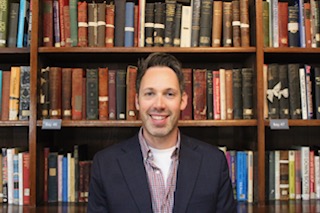
Sander Van Der Linden, Ph.D.
Professor of Social Psychology, University of Cambridge Sander van der Linden is Professor of Social Psychology in Society and Director of the Cambridge Social Decision-Making Lab in the Department of Psychology at the University of Cambridge. He is ranked among the top 1% of highly cited social scientists worldwide and has published over 200 research papers. His research is frequently featured in outlets such as the New York Times, BBC, Time and Rolling Stone. He is the author of *Foolproof: Why We Fall for Misinformation and How to Build Immunity* (2023), which was named a book of the year by *Nature* and the *Financial Times* and has won several awards.
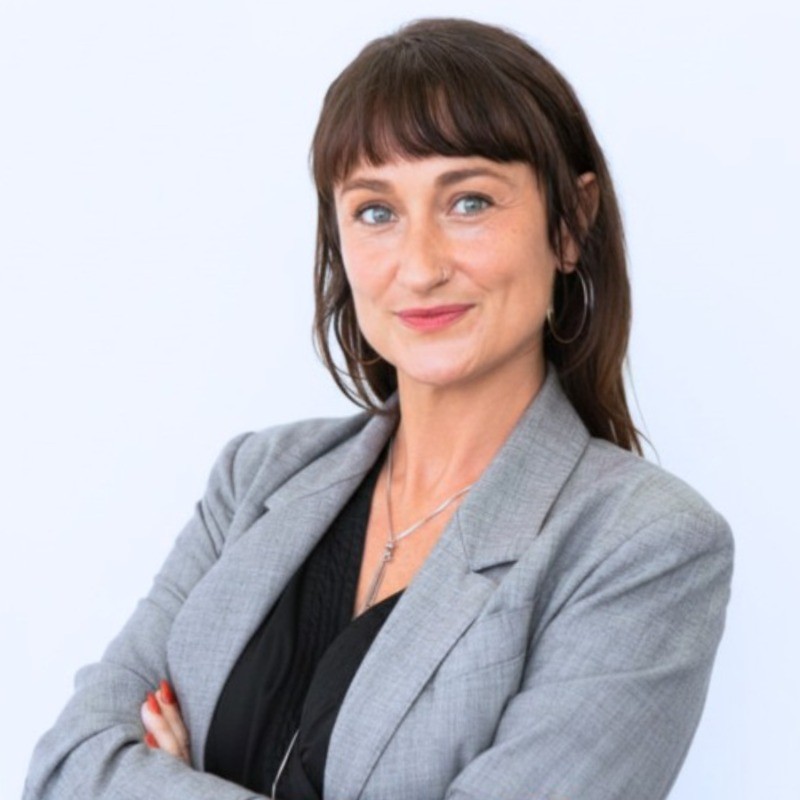
Eliza McDermott, MA
Deputy Director, Emergency Legal Responders Eliza McDermott is the Deputy Director of Emergency Legal Responders (ELR), a New Orleans based national disaster justice nonprofit advancing equitable disaster recovery and community resilience. With over 18 years of experience in direct services and nonprofit program direction, with ELR she specializes in disaster systems literacy, recovery navigation and the intersection of disasters with existing social inequities.
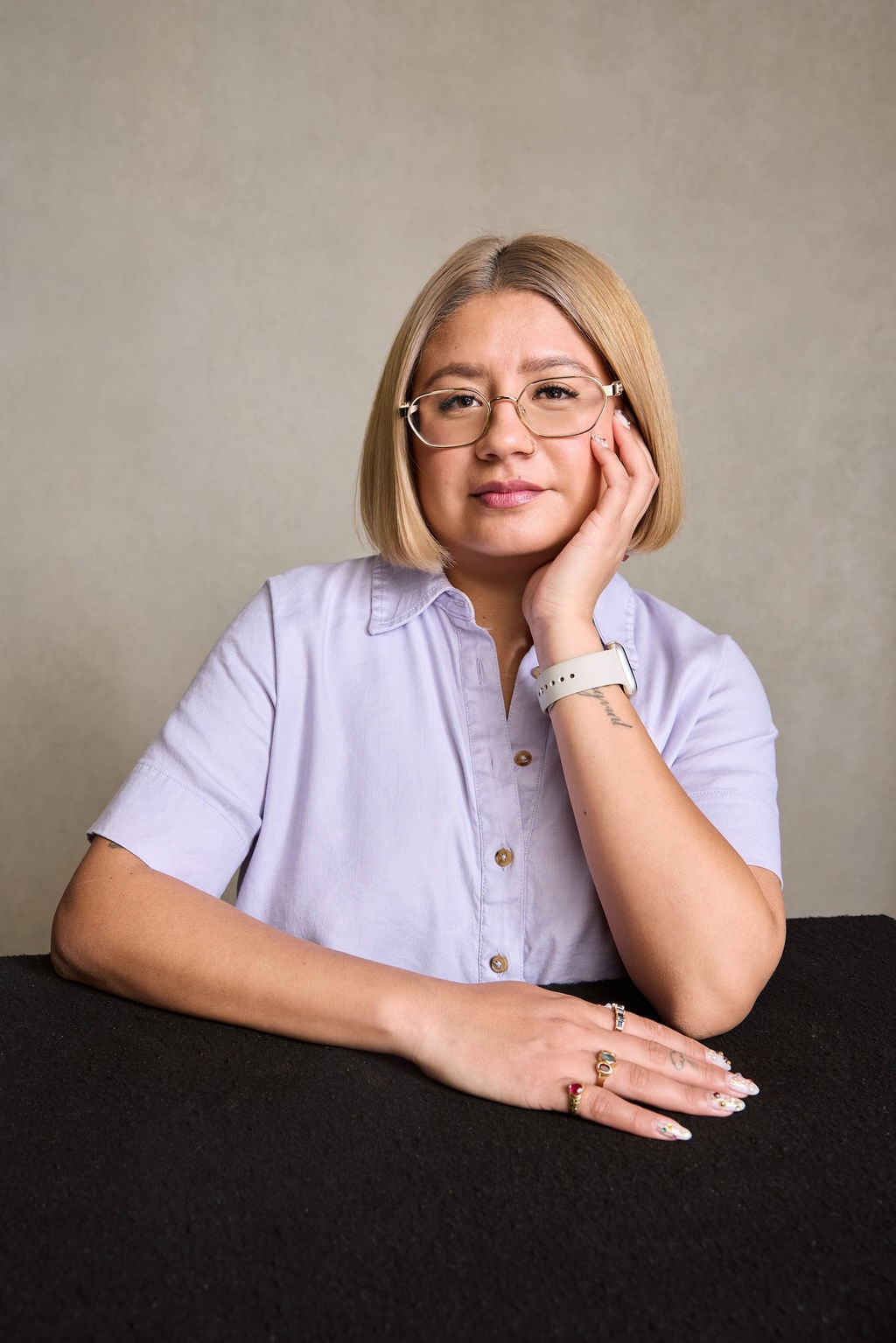
Yessenia Funes
Climate Journalist Yessenia Funes is a journalist who covers climate and environmental issues through the lens of the oppressed. She has written professionally for over 10 years with bylines in The Guardian, Bloomberg, New York Magazine, Yale Climate Connections and more. Her reporting has taken her across the world, including Nicaragua's Miskito Caribbean coast and the West Bank of Palestine. Every Thursday, she publishes an independent creative climate newsletter called Possibilities. When she's not reporting or writing, she's at home with her dear husband and cat in Queens, New York.

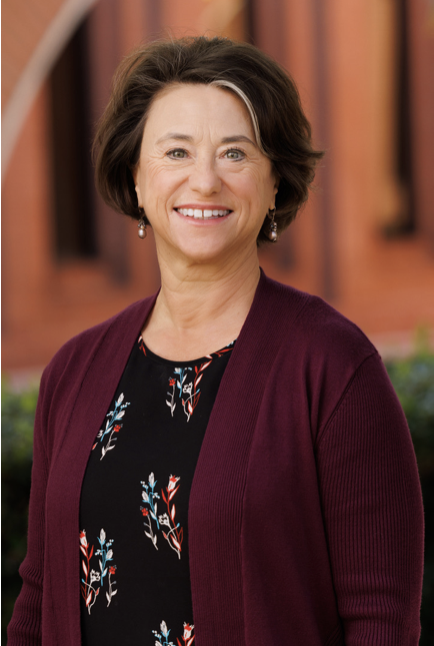
Gale Sinatra, Ph.D.
Professor Emerita of Psychology and Education at University of Southern California Dr. Gale M. Sinatra is a Distinguished Professor Emerita of Psychology and Education at the Rossier School of Education at the University of Southern California and a member of the National Academy of Education. She received her B.S., M.S., and Ph.D. in Psychology from the University of Massachusetts, Amherst. Sinatra led the Motivated Change Research Lab at USC, the mission of which was understanding the cognitive, motivational, and emotional processes that lead to attitude change, conceptual change, and successful STEM learning. Her recent research is in climate change education and communication. Her co-authored book with Dr. Barbara Hofer, a psychologist of Middlebury College in Vermont is entitled: Science Denial: Why It Happens and What to Do About It (2021, Oxford University Press) www.sciencedenialboook.com.
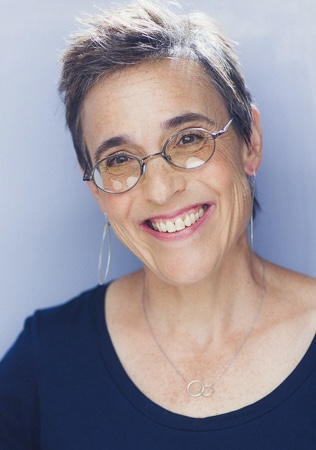
Moderated by: Rebecca Weston, LCSW, JD
Therapist & Co-Executive Director, Climate Psychology Alliance - North America Rebecca Weston lives in Brooklyn, New York and is a practicing clinician and the Co-Executive Director of the Climate Psychology Alliance - North America. Rebecca organizes and builds support for climate aware mental health clinicians who seek to resource their skills locally in service of the climate movement, climate professionals and climate impacted communities. She speaks frequently on topics ranging from: the mental health impacts of the climate crisis, climate distress and authoritarianism, trauma-informed climate journalism and the ways in which climate mental health issues are interwoven with structures of inequity.
Continuing Education (CE) Credits
1.5 Continuing Education Credits will be offered for workshop; a recording of the event will be sent to ticket holders 48 hours after the event. *To be eligible for Continuing Education credits, all participants must be present for the entirety of the live workshop and complete the post-test and satisfaction survey within two weeks of the workshop.* ~~ Learning Objectives ~~ 1. Describe three ways in which social media has made us all more vulnerable to both misinformation and disinformation. 2. Identify several key ways to mitigate their own vulnerability to climate dis/misinformation. 3. Identify factors other than scientific knowledge that accounts for vulnerability to climate disinformation/misinformation. 4. Respond to instances of climate disinformation/misinformation in a way that is clinically appropriate, empathic and clear. ~~ References ~~ DiMattina, D., Sobral, A., & Nemer, D. (2026). Amplifying the storm: Climate disinformation dynamics during natural disasters on right-wing extremist Telegram channels. Harvard Kennedy School (HKS) Misinformation Review. https://doi.org/10.37016/mr-2020-204 Sherlock, R. (2026): How Far Right Parties are Using Extreme Weather Events to Boost Their Cause. https://www.npr.org/2026/08/19/nx-s1-5930697/how-far-right-parties-are-using-extreme-weather-events-to-boost-their-cause Sinatra, Gale, and Barbara Hofer, Science Denial: Why It Happens and What to Do About It (New York, 2021; online edn, Oxford Academic, 19 Aug. 2021), https://doi.org/10.1093/oso/9780190944681.001.0001 Van der Linden, S. (2023). Foolproof: Why misinformation infects our minds and how to build immunity. W. W. Norton & Company. Westervelt, A. (2025, April 20). The Drilled guide to global climate disinformation. Drilled. https://drilled.media/news/disinfo-2025 ~~ Accessibility Statement We are committed to ensuring digital accessibility; closed captioning can be provided upon request. If further accomodations are needed, please reach out to [email protected] Conflict of Interest None Grievances All grievances must be in writing and sent to [email protected] and will be responded to within 14 business days. Climate Psychology Alliance - North America (CPA-NA) is approved by the American Psychological Association (APA) to sponsor continuing education for psychologists. CPA-NA maintains responsibility for this program and its content. Please check with your licensing board to confirm their acceptance Continuing Education credits sponsored by APA.
Join us for all three events in the Disaster Mental Health Mini-Series !
We'd love to see you at one, two or even better all three events in our 2026 Disaster Mental Health Mini-Series. Purchase tickets for events individually or purchase the bundle for all three events and save ! Follow the link below to purchase the bundle

Part 2 ~ Psychological First Aid
October 24th - 3-hour training learning the tools of this evidence-focused method to support climate disaster survivors https://cpa-na.thinkific.com/products/courses/ psychologicalfirstaid
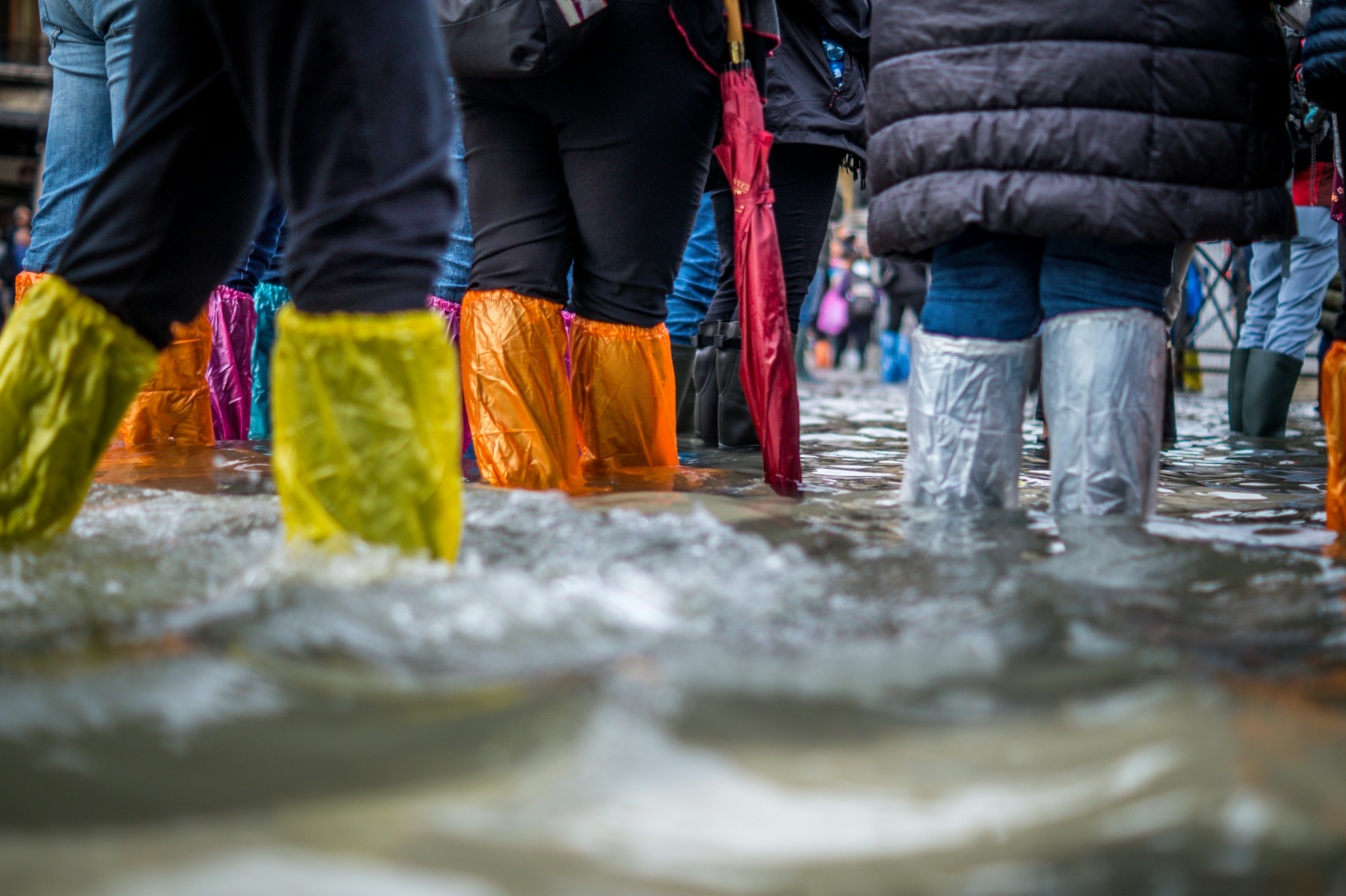
Part 3 ~ Disaster Mental Health from a Collective Lens: Trauma and Post-Traumatic Growth
October 31st - 2-hour workshop to understand the impacts of trauma on communities facing disaster 2 CE credits https://cpa-na.thinkific.com/products/courses/ collectivelens
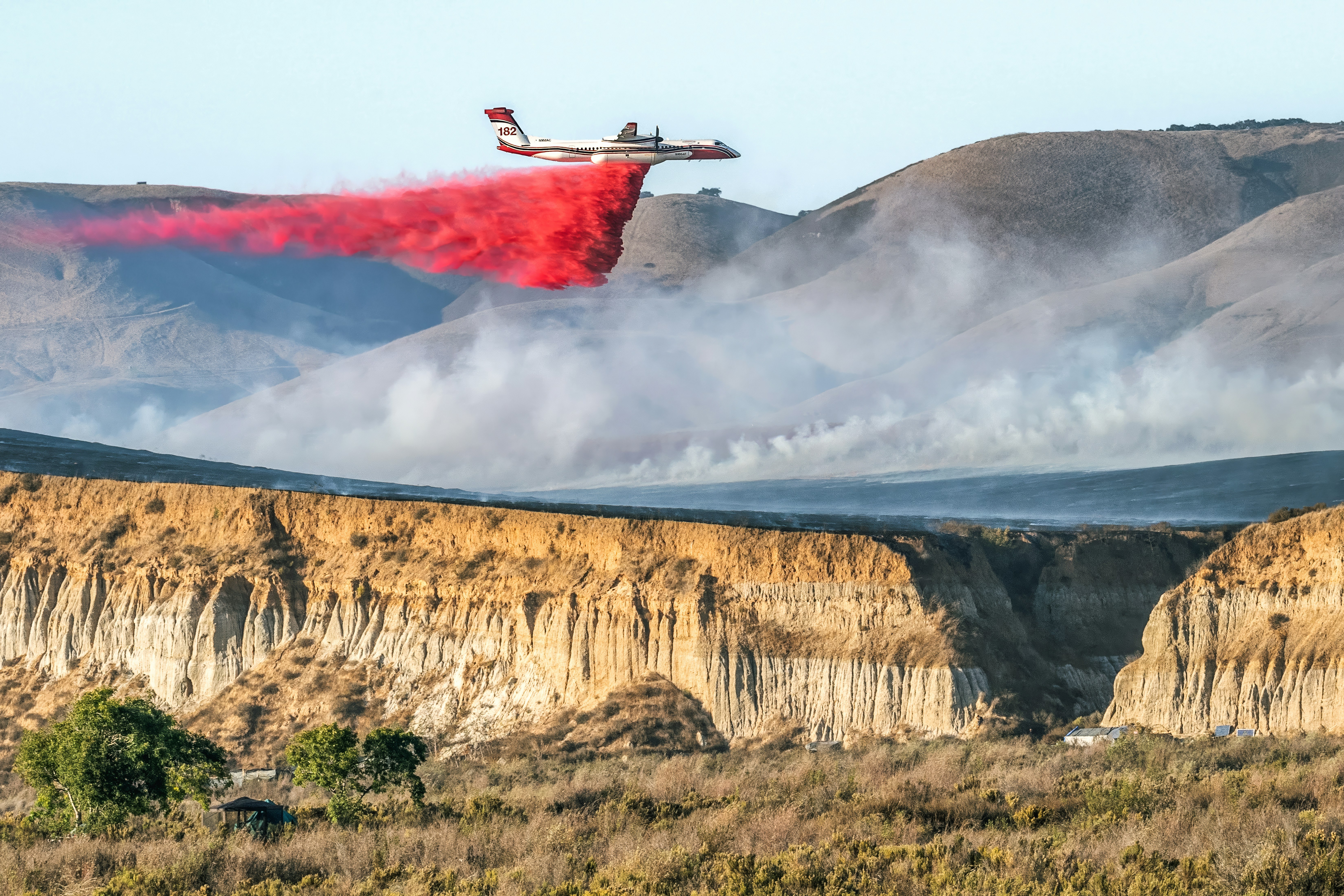
2026 Disaster Mental Health Mini-Series Bundle
Purchase all three events in our Mini-Series and save ! CPA-NA Members save $48 Non-Members save $20 https://cpa-na.thinkific.com/bundles/2026-disaster-miniseries-bundle
Mis- & Disinformation impacts climate mental health
Learn to support your clients through the increasingly complex information environment with empathy and resilience
Questions?
Reach out to us at [email protected]