
About the Workshop
This workshop explores disaster mental health through a collective trauma lens, emphasizing strategies to promote resilience and post-traumatic growth during a throughout disaster recovery. Participants will examine how shared experiences of trauma can create opportunities for innovative, solution-focused, and democratic responses to crises that strengthen both individual and community healing. This presentation will review the core trauma-sensitive principles, challenge traditional disaster mental health protocols, and deepen understanding of the neurobiology of trauma and its impact on our stress response system. Attendees will explore the application of evidence based trauma modalities rooted in somatic approaches including EMDR, Internal Family systems (IFS), Somatic Experiencing (SE), Trauma Center Trauma Sensitive Yoga (TCTSY), and creative art therapies from a community centered perspective. Grounded in a decolonial framework, this workshop will examine the four realms of adverse children experiences to better understand the interconnected social, historical, and systemic factors that influence trauma, recovery, and collective well-being.
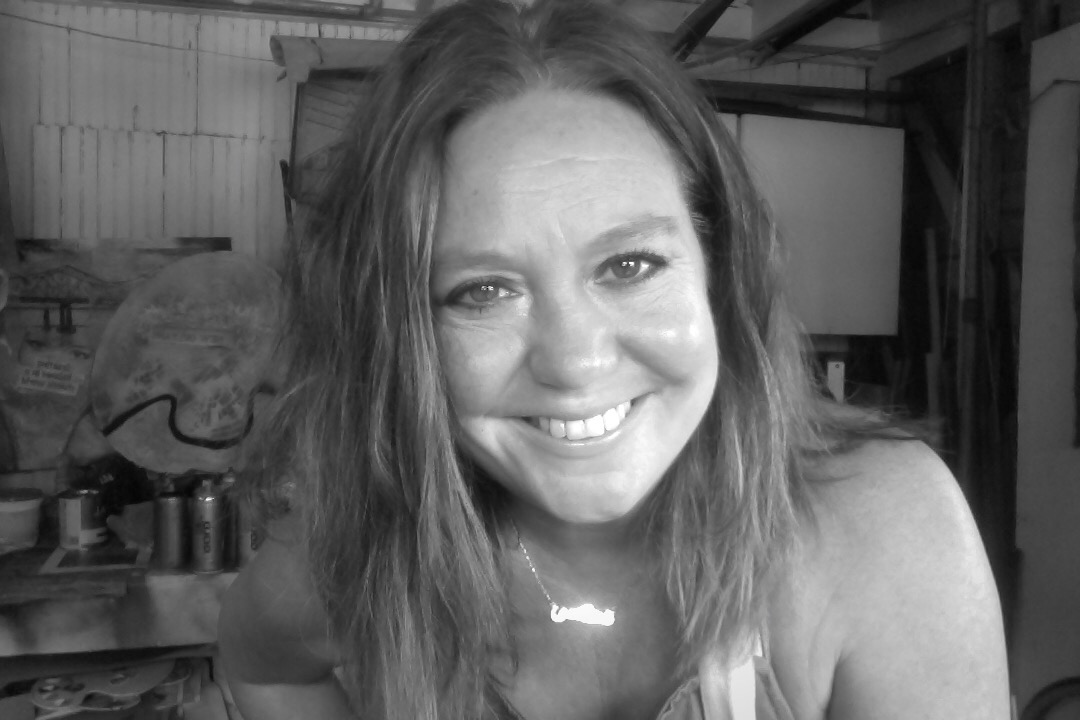
dix Moore-Broussard Facilitator
dix Moore-Broussard Dix is a generational New Orleanian (Bulbancha); Land Descendants of the Biloxi, Tunica, Chitimacha, Houma, Choctaw, Atakapa, Pointe-au-Chien, Isle de Jean Charles, Grand Bayou She is a registered Art therapist and climate-aware therapist specializing in trauma, disaster, and collective post-traumatic growth. As co-founder and director of The Neutral Ground Collective, they integrate the arts, movement, and neuroscience to support communities in building and defining resilience through trauma-sensitive, somatic-based approaches. Certified in Trauma Center Trauma Sensitive Yoga (TCTSY) and polyvagal-informed art therapy, dix focuses on strengthening collective nervous system regulation and social connection in the face of crises. Their work is grounded in community-based recovery and informed by organizations such as Climate Mental Health Network, Climate Psychology Alliance of North America, International Transformational Resilience Coalition, The Pocket Project, and Bayou Culture Collaborative.
Continuing Education (CE) Credits
2 Continuing Education Credits will be offered for workshop; a recording of the event will be sent to registrants for viewing within three business days after the event. *To be eligible for Continuing Education credits, all participants must be present for the entirety of the live workshop and complete the post-test and satisfaction survey within two weeks of the workshop.* ~~ Learning Objectives ~~ 1 - Define Collective Trauma and collective post-traumatic growth and distinguish them from traditional individual-centered approaches to trauma recovery. 2- Examine the neurobiology of trauma and the stress response system, including how prolonged or repeated exposure to disaster, climate-related events, and poly-crises can affect individuals and communities. 3 - Explore the four realms of ACEs- Ancestral, Individual, & Collective and climate/environmental impacts. And recognize how multiple realms can interact to shape community wellbeing and stress responses. 4 - Identify how collective trauma manifests within communities, including disrupting relationships, cultural practices, community systems, sense of safety/distrust, belonging, connection & disconnection. 5 - Understand the principles of somatic therapy and nervous system regulation and explore how somatic interventions can be adapted from an individual clinical context to community-centered disaster response. Develop somatic-based strategies that support self-regulation, co-regulation, and eco-regulation. 6 -Examine decolonial approaches to disaster mental health including ways of knowing, ways of being, community sovereignty, cultural knowledge, reciprocity, and shifting expertise from institutions toward communities. ~~ References •Heart, M. Y. H. B., & Chase, J. (2016). Historical trauma among indigenous peoples of the Americas: Concepts, research, and clinical considerations. Wounds of History, 270-287. •Calhoun, L. G., Cann, A., & Tedeschi, R. G. (2010). The posttraumatic growth model: Sociocultural considerations. •Charles, M. & Rah, S-C. (2019). Unsetting Truths: The ongoing dehumanizing legacy of the doctrine of discovery. Inter Variety Press. Downers Grove, IL. •Chemaly, S. (2024). The Resilience Myth: New thinking of grit, strength, and growth after trauma. One Signal Publishers. •Chionesa et al. (2020). Community Healing and Resistance Through Storytelling: Framework to Address Racial Trauma in Africana Communities. Journal of Black Psychology. Vol 46 (95-121). •Clarke, K. G. (2021). Moving Through Collective Adversity: Lessons from Posttraumatic Growth Research for Appreciative Inquiry Practice. Organization Development Review, 30. •Dana, D. (2021). Anchored: How to befriend your nervous system using the polyvagal theory. Sounds True. Boulder Colorado. •Forrester, S., Jacobs, D., Zmora, R., Schreiner, P., Roger, V., & Kiefe, C. I. (2019). Racial differences in weathering and its associations with psychosocial stress: the CARDIA study. SSM-population health, 7, 100319. ~~ Accessibility Statement We are committed to ensuring digital accessibility; closed captioning can be provided upon request. If further accommodations are needed, please reach out to [email protected] Conflict of Interest None Grievances All grievances must be in writing and sent to [email protected] and will be responded to within 14 business days. Climate Psychology Alliance - North America (CPA-NA) is approved by the American Psychological Association (APA) to sponsor continuing education for psychologists. CPA-NA maintains responsibility for this program and its content. Please check with your licensing board to confirm their acceptance Continuing Education credits sponsored by APA.
FAQs
Will there be Continuing Education credits offered for this workshop? ~~ Yes, we will be offering 2 CE credits for this workshop. Will a recording be sent out after the workshop? ~~ Yes, all registrants will receive a recording of the program (except the breakout rooms).
Join us for all three events in the Disaster Mental Health Mini-Series !
We'd love to see you at one, two or even better all three events in our 2026 Disaster Mental Health Mini-Series. Purchase tickets for events individually or purchase the bundle for all three events and save ! Links for the Mini-Series Bundle and Parts 1 & 2 are pasted below !

Part 1 ~ A Clinical Focus on Mis- & Disinformation
October 14th - 1.5 hour panel on the complex information environment and its role in misunderstanding the climate crisis 1.5 CE credits https://cpa-na.thinkific.com/products/courses/ disinformation

Part 2 ~ Psychological First Aid
October 24th - 3-hour training learning the tools of this evidence-focused method to support climate disaster survivors https://cpa-na.thinkific.com/products/courses/ psychologicalfirstaid
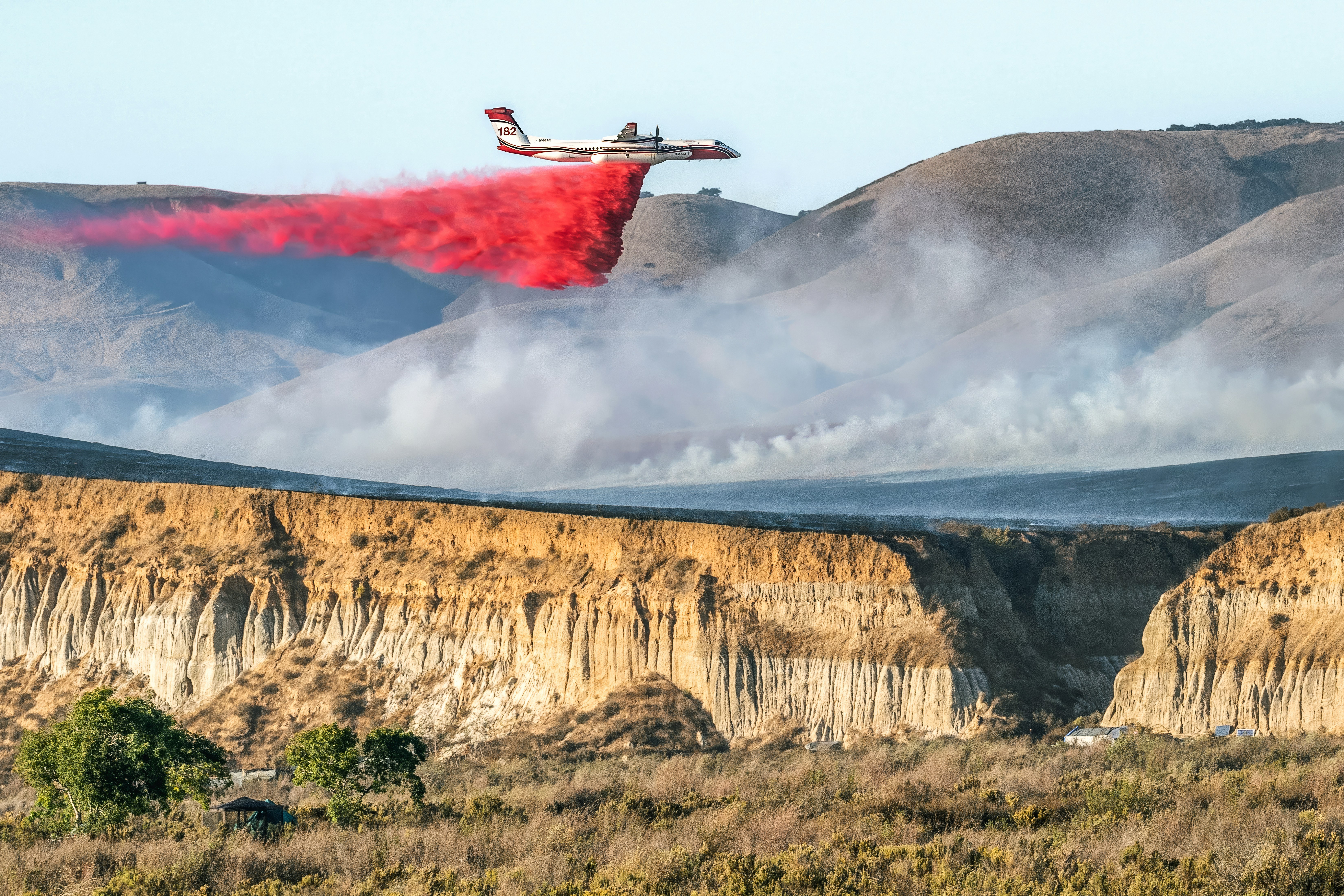
2026 Disaster Mental Health Mini-Series Bundle
** Bundle and Save ** Purchase all three events in our Mini-Series CPA-NA Members save $48 Non-Members save $20 *Registration closed
Expand your toolkit for trauma-informed disaster mental health care
Explore innovative somatic and creative approaches to disaster recovery through a community-centered, decolonial lens
$110.00
Questions?
Reach out to us at [email protected]